From $0
$250M/yr
in Azure compute: four people to ~5% of all Azure VMs (Azure Lab Services)
VP / SVP Engineering
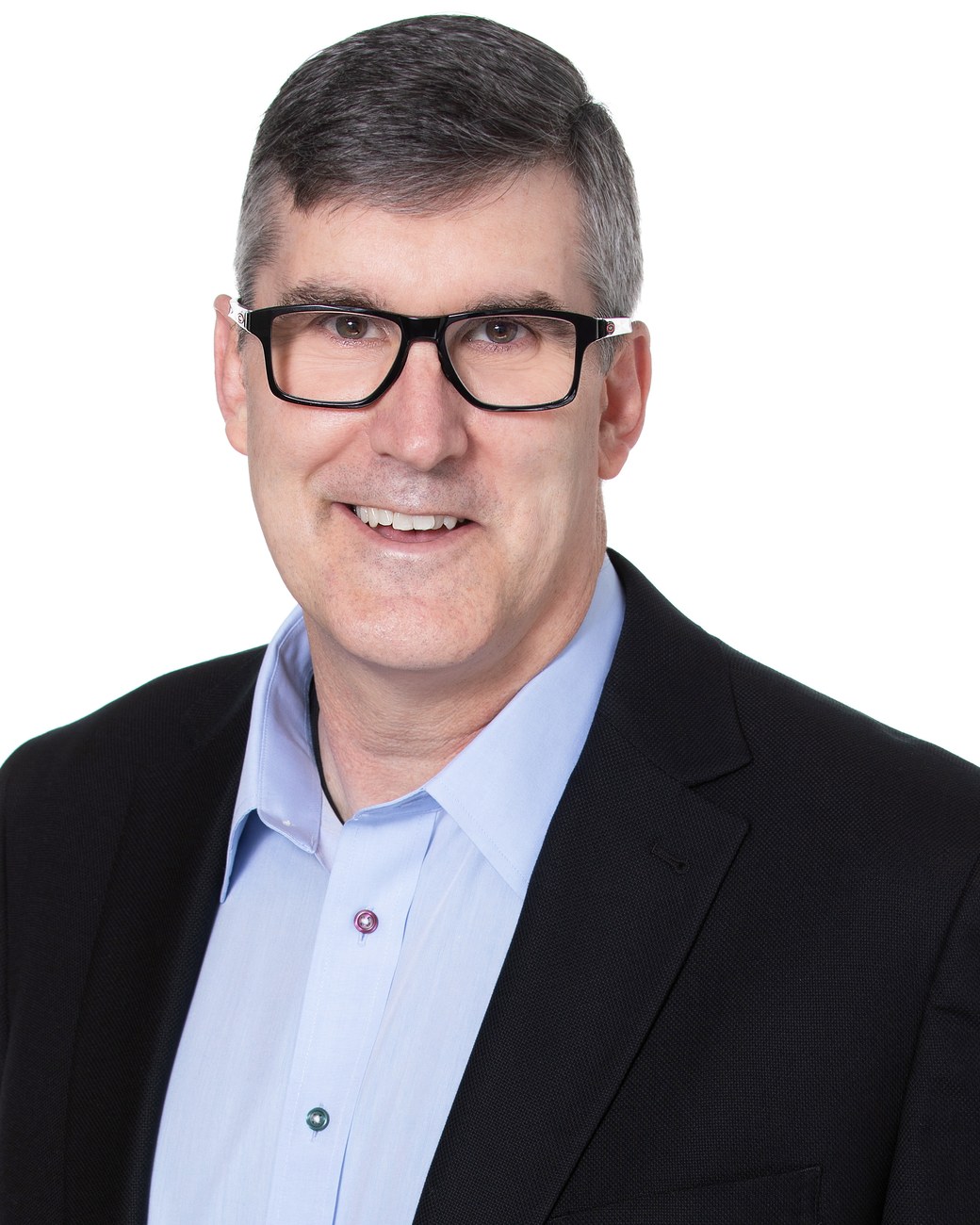
I'm Mark Mydland. I've spent over two decades building software products and the organizations that ship them, at companies like Microsoft and Dexcom. What I do best is take a bold product vision and build the operating system that actually delivers it. I anchor teams to customers, ship for outsized value, and never bend on quality. I build products that do real good in the world. No fire drills. No heroics.
Built it from four people into the service creating about 5% of all Azure VMs, roughly $250M a year in Azure compute. We invented the auto-shutdown feature Azure adopted platform-wide, and delivered in about half the time anyone expected.
Led the core services of one of the world's largest IoT platforms: IoT core, Device Provisioning, Digital Twins, Edge runtime, SDKs. About 225 engineers across 55 regions, serving customers like Daimler Trucks, Starbucks, BMW, and Bosch.
Walked into a Series A in full chaos and left it thriving: the eighteen-month plan delivered in four, three SaaS products in market, inventory shrink cut about 50% for customers, deployed across three continents. The lever was a weekly demo to the CEO and a hard rule that done means production. Rhythm first, then the code follows.
Delivered Stelo, the first FDA-cleared over-the-counter glucose monitor and the first CGM with AI, opening a new direct-to-consumer market and taking it from zero to $130M a year and climbing (Dexcom's reported FY25 figure). Led 125+ engineers under medical-device regulation with hard deadlines, holding 99.9% crash-free the whole way.
"Organizations that value firefighters breed arsonists."
These map one-to-one to the DORA metrics, stated the way I actually ask them. They land with executives who would glaze over at "change failure rate," and a first conversation built on them gives you a fast, credible read on how mature the machine really is.
"Heroics are ephemeral. Systems are enduring."
Every leader says they have a system. These are mine, named and drawn, because a system you can't hand to someone else isn't a system yet. Each one was built inside a real team, under real pressure, and each one still runs today.
"The best leaders share the misery."
I trust what I can demonstrate over what anyone claims. Done is a demo running in production, not a percentage. A green nobody can explain is worse than an honest red. I say the true thing early. Bad news doesn't get better with age, and the real problem is usually knowable before anyone wants to admit it. When something breaks, I go looking for the fix, not someone to blame. I take the blame, share the misery, and put the team back on the work. We for the wins. I for the misses.
Before any of this: West Point grad, Airborne/Ranger Infantry officer. I learned to work on a Wyoming dairy farm that had the same name as me. I attended the Jungle School in Panama where my dad had been an instructor 20 years earlier (I was three). These days I'm in Bremerton, Washington, and I haven't lost the habit of the early morning, catching the alpenglow with my first cup of coffee to jump-start my day.
I'm looking for the next thing to build, at full scale. Something I can point to and say it does real good in the world.
If you're standing up a new product line, an internal startup or AI innovation group, or a business with an exit to build toward, and you want someone who can build it and make it ship, let's talk.

